In recent years, Nigeria has experienced a significant resurgence of diphtheria, a bacterial disease that had largely declined due to vaccination efforts. Caused by Corynebacterium diphtheriae, diphtheria primarily affects the upper respiratory tract and can lead to serious complications such as myocarditis and nerve damage if untreated. Although effective vaccines exist, multiple doses are required to build and sustain immunity.
Between April 2022 and March 2025, over 42,000 suspected diphtheria cases and 1,319 deaths were reported across Nigeria, according to national surveillance data. The majority of cases have occurred among children under the age of 14. The case fatality rate among confirmed cases has exceeded 5%. Several northern states, including Kano, Yobe, Katsina, and Niger, reported high numbers of cases, which correspond to areas with lower-than-average routine immunization rates.
National coverage of the diphtheria-tetanus-pertussis vaccine (DTP3) in Nigeria has remained at approximately 62% since 2020, down from 66% in 2019. These figures suggest a stagnation in immunization progress. The COVID-19 pandemic has been cited in public health reports as a factor contributing to decreased vaccine access and outreach in remote or underserved areas, due to movement restrictions and the redirection of health resources.
In Niger State, for example, recent survey data indicate that only about 43.8% of children had received the full series of DTP3 vaccinations. This lower coverage rate correlates with the occurrence of diphtheria cases in the region, where health workers have responded with intensified community outreach and house-to-house immunization efforts.
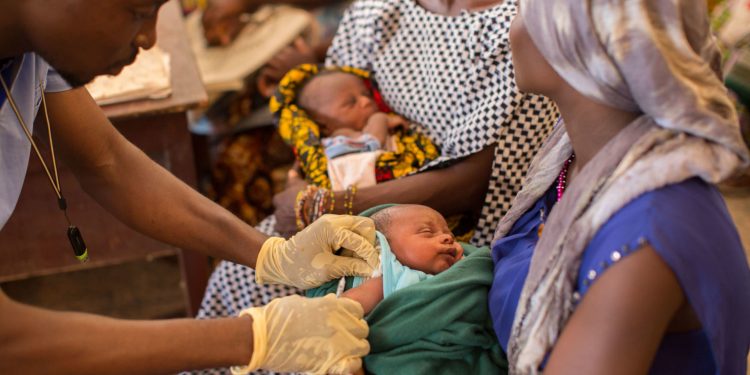
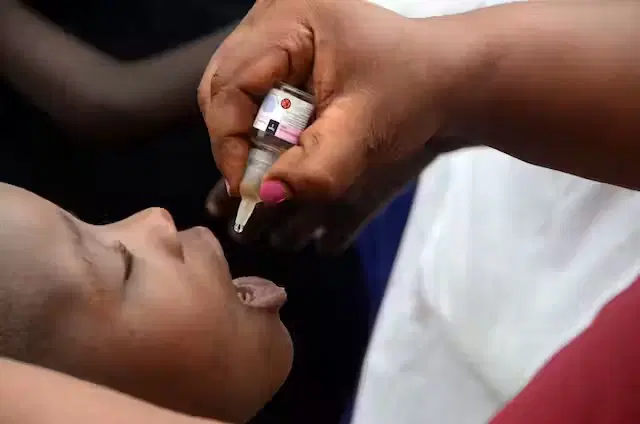
Efforts to address the outbreak have included expanded vaccination campaigns, the use of local languages during health education visits, and the engagement of community leaders to support communication efforts. In communities where resistance to vaccination persists, teams composed of healthcare professionals, religious leaders, and local officials have been deployed to improve vaccine acceptance.
In addition to immunization challenges, supply constraints have affected the availability of diphtheria antitoxin, which is a critical component of treatment. Limited diagnostic capacity and delays in case confirmation have also impacted clinical response in some areas. Health authorities have reported these constraints as contributing factors to higher mortality rates in certain locations.
Public health agencies have identified multiple factors contributing to the spread of diphtheria in Nigeria, including population mobility, vaccine supply chain issues, healthcare access barriers, and gaps in routine immunization coverage. Surveillance and response efforts are ongoing, with targeted interventions being implemented to reach unvaccinated populations and improve case management.
As of mid-2025, diphtheria remains present in several Nigerian states. National and state-level health authorities, with support from international partners, continue to monitor the outbreak and coordinate response strategies. Efforts are focused on expanding vaccination access, improving diagnostic capacity, and ensuring timely treatment of suspected cases.